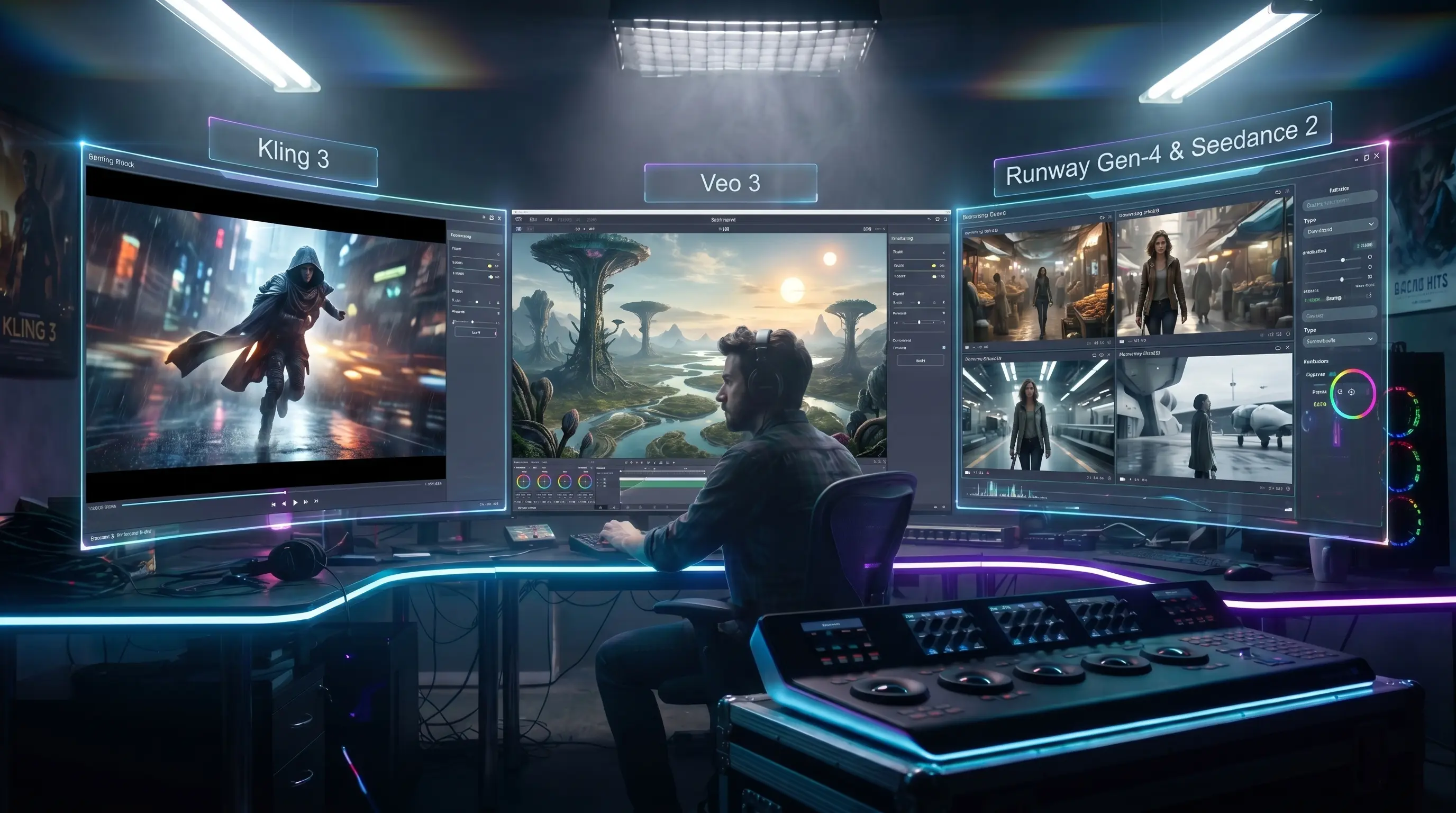
The 2026 AI Product Commercial Playbook: Turn Static Product Photos into Viral Video Ads
Mihaly Varga
AI Creative Director
For eCommerce brands in 2026, capturing and maintaining human attention on social media platforms (TikTok, Instagram Reels, Meta Ads) has never been more competitive—or more expensive. Traditional video shoots require shipping physical items, renting professional studio time, hiring motion design crews, and waiting weeks for a 15-second draft. By the time your ad is finalized, the social media trend has often already shifted.
The game-changer for modern brands is the seamless combination of Image-to-Video modeling. Instead of generating a product from raw text instructions (which inevitably hallucinates or destroys the physical brand logo), modern pipelines use your actual product photo as an authoritative anchor, animating everything around it with Hollywood-level CGI physics.
Why Text-to-Video Fails for Real Products
When a brand wants to advertise a watch, a sneaker, or a supplement can, raw Text-to-Video models are fundamentally useless. If you type 'a fast macro tracking shot of a Nike Air Max', the AI will generate a beautiful sneaker—but it will not be YOUR sneaker. The design will warp, and the logo will smear. To maintain absolute product fidelity, you must lock the starting composition first:
- 1Capture a crisp studio photo of your product against a clean, neutral background.
- 2Input the image as the compositional anchor for your generative model.
- 3Command the motion around the anchor, forcing the background to shift, water to splash, or lights to sweep across the physical product.
Which AI Video Model Wins in 2026?
Not all video generators are equal when showcasing real-world products. To optimize your budget, you must select the right model on a per-shot level rather than sticking blindly to one tool:
- Kling 3.0 Pro — The undisputed leader for physics-heavy movement. Best for sport drops, athletic shoe commercials, and dynamic fluid simulations (splashing water, exploding dust, crushing gravel).
- Runway Gen-4.5 — The default choice for high-end luxury, editorial apparel, and cosmetics. Best for soft camera sweeping, editorial models showing realistic facial expressions and garment movement.
- Veo 3.1 Lite — Perfect for high-volume content, social ads, and campaigns where native foley sound effects and ambient dialogue must synchronize with on-screen action.
“AI video doesn't replace physical products—it frees them from the limitations of gravity, budgets, and physical logistics. We build visual experiences that would otherwise cost $50,000, in a fraction of the time.”
— Mihaly Varga, AI Creative Director
Comments
Loading…